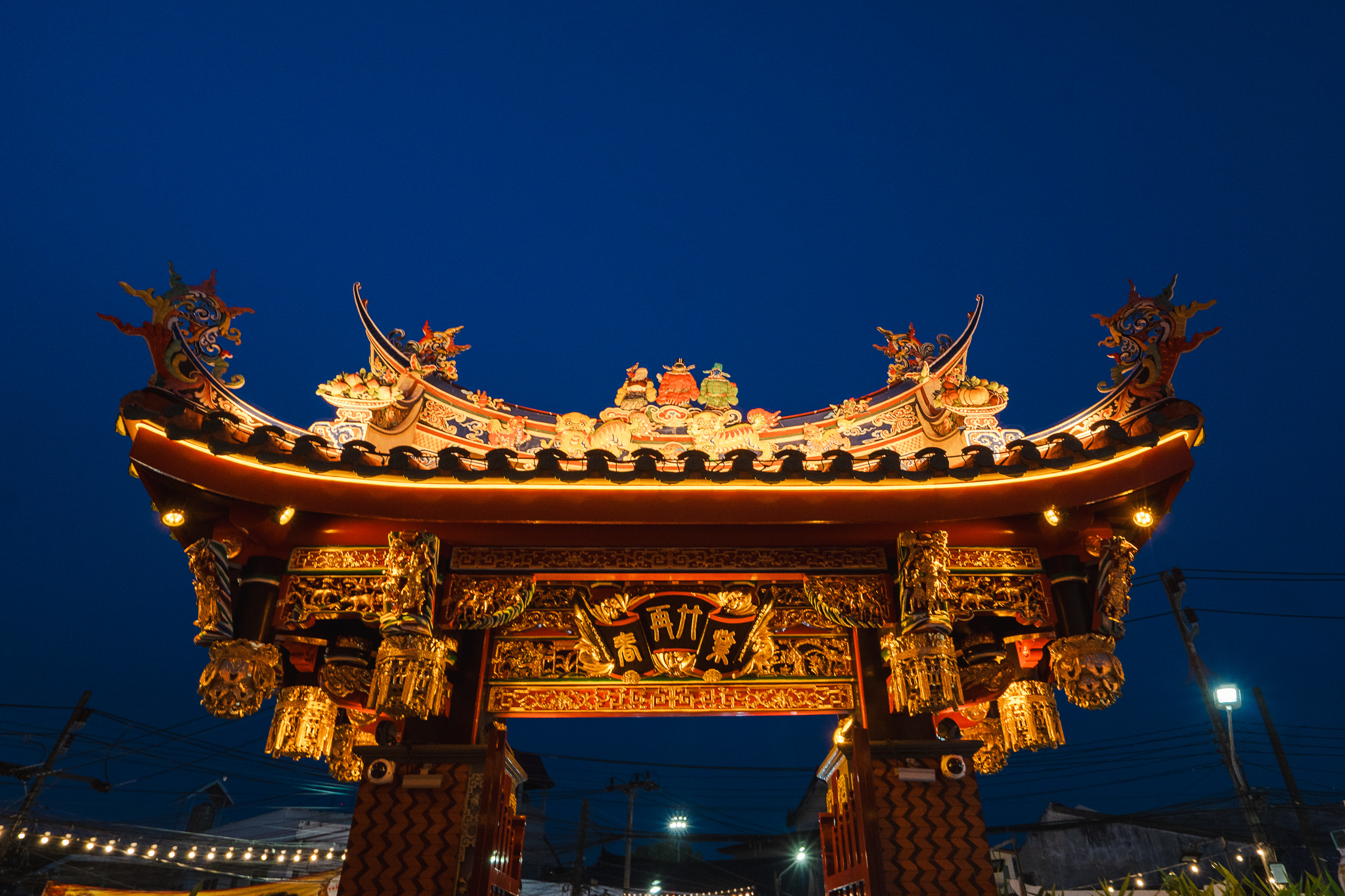
In the heart of Phuket Town, where generations of Chinese-Thai heritage continue to shape the character of the old city, Put Jaw Shrine stands as one of Phuket’s oldest Chinese shrines. Also known as Kuan Im Teng (觀音廟), the shrine is dedicated to Guanyin, the Bodhisattva of Compassion, and has long been a place where people come to pray, seek blessings, and find a moment of quiet reflection.
Built by Hokkien Chinese settlers more than two centuries ago, Put Jaw Shrine reflects the history of Phuket’s Chinese community and the way religious traditions became deeply woven into everyday life on the island. As Chinese families settled in Phuket during the development of the tin-mining era, they brought with them their beliefs, rituals, languages, and architectural traditions. Over time, these traditions became an important part of what we now recognise as Phuket’s distinctive Chinese-Thai identity.
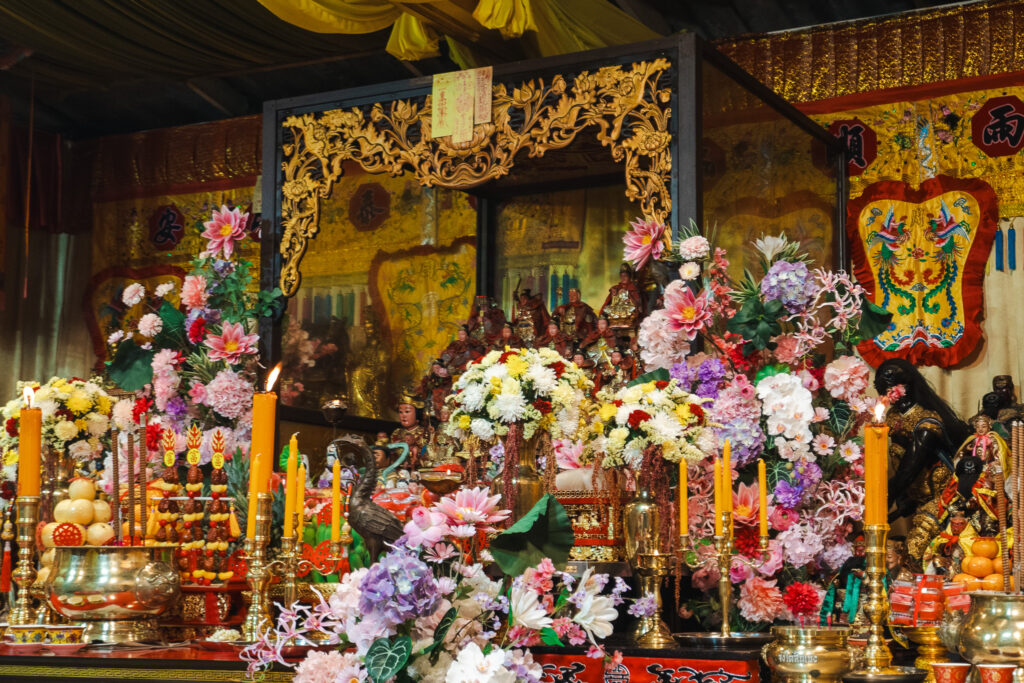
A Shrine Built Around Compassion
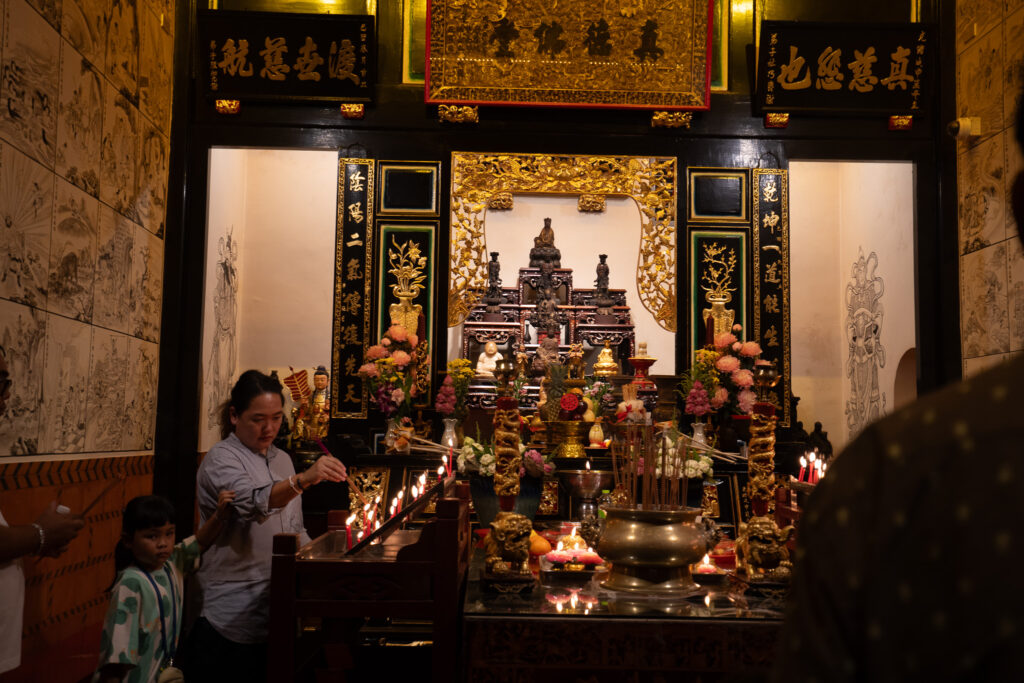
At the heart of Put Jaw Shrine is Jao Mae Kuan Im, or Guanyin, a figure associated with mercy, compassion, and healing. For generations, worshippers have come to the shrine with different intentions—from asking for blessings and good fortune to simply finding reassurance and peace.
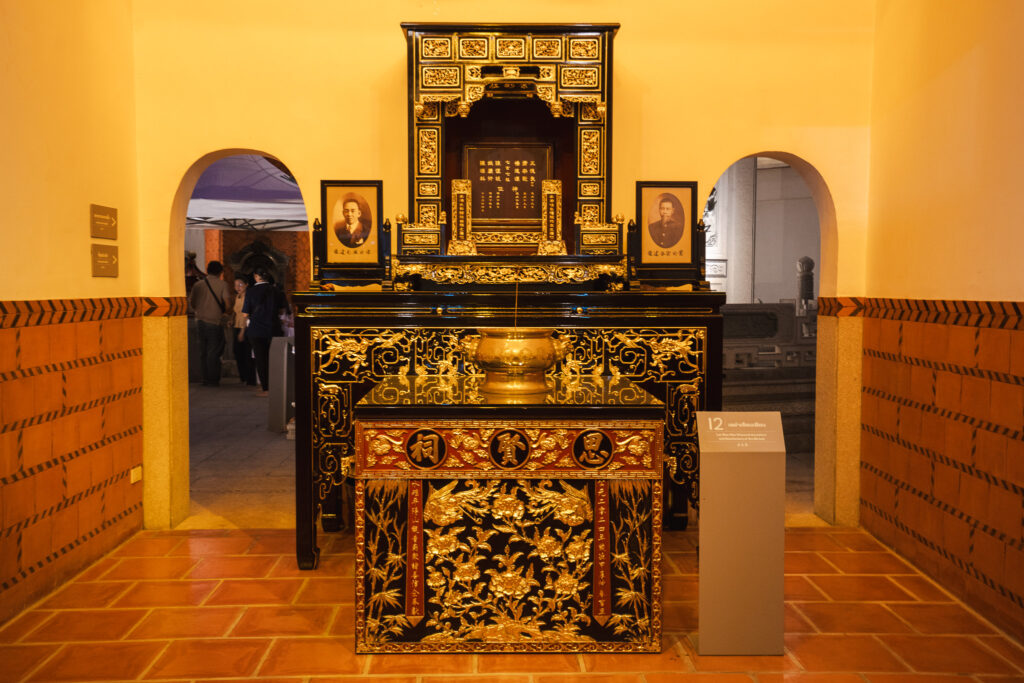
The atmosphere inside is noticeably different from the lively streets outside. Incense, traditional altars, offerings, and carefully preserved decorative details create a space where the past remains present. The shrine has undergone restoration over the years, while continuing to serve its original purpose as a place of worship and community connection. A recent restoration completed in 2026 renewed many of its architectural details while retaining the character of the historic shrine.
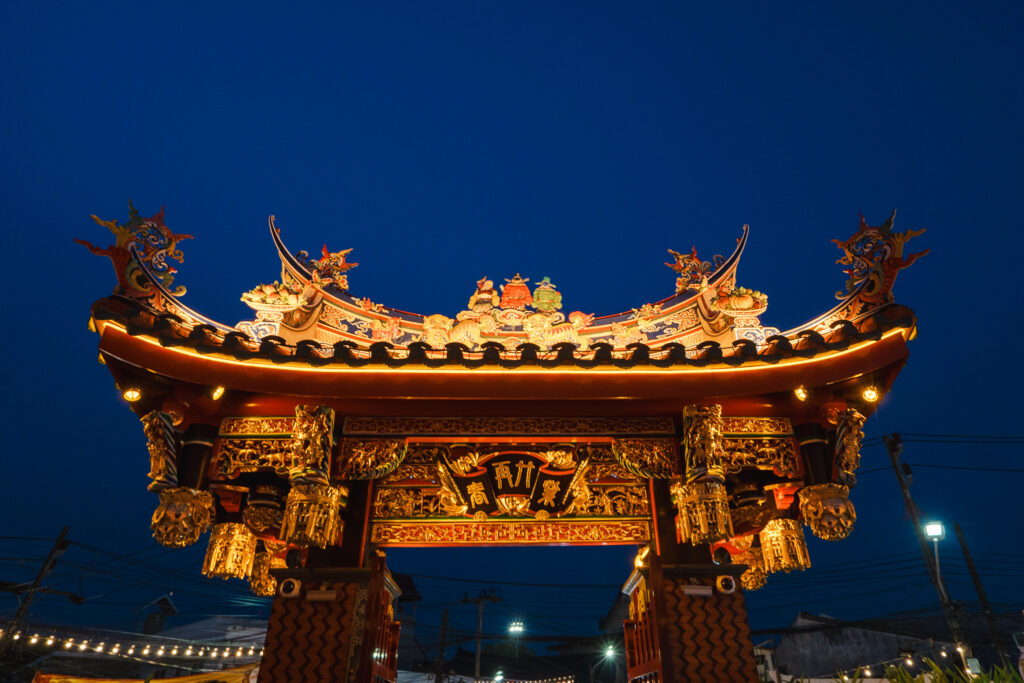
More Than an Ancient Building
What makes Put Jaw Shrine particularly interesting is that its value is not only architectural. It is a living heritage site—a place where history is still practiced rather than simply displayed.
Located beside Jui Tui Shrine, the two shrines form an important spiritual landscape within Phuket Town. Put Jaw is the quieter of the two, offering visitors a different perspective on Phuket’s religious traditions. During the Phuket Vegetarian Festival, the area becomes especially significant as people return to the shrines to participate in rituals that have been passed down through generations.
The Vegetarian Festival itself is rooted in traditions of spiritual cleansing, merit-making, and abstaining from meat for nine days. For Phuket, however, it represents more than a religious festival. It is part of the island’s cultural identity—bringing together Chinese heritage, local community, ritual, food, architecture, and contemporary life.
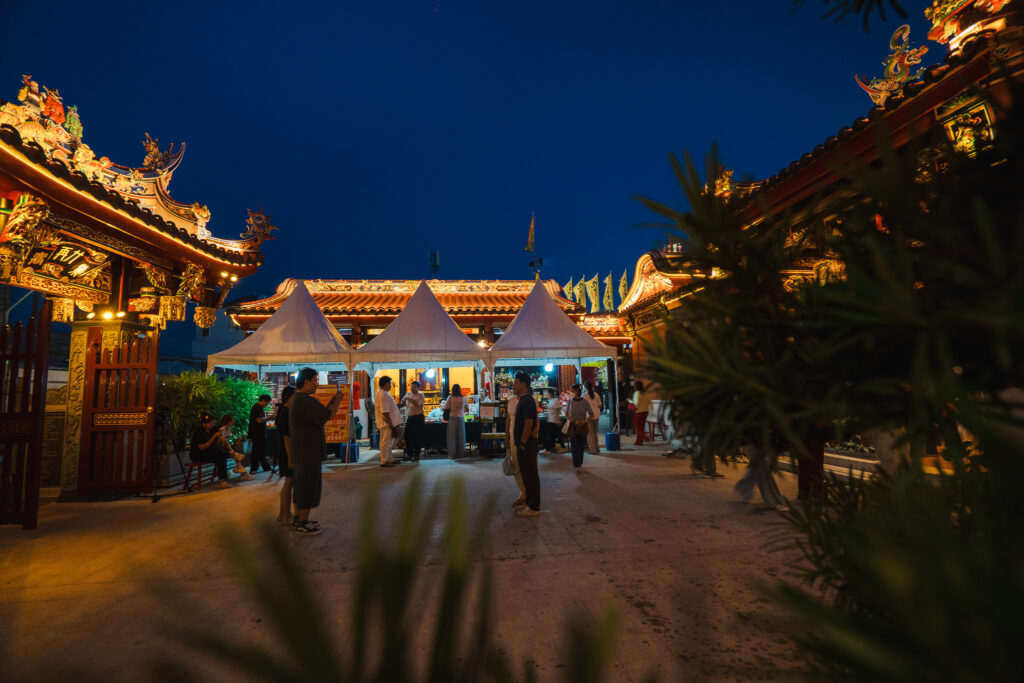
Discovering Phuket Through Its Shrines
Walking through Phuket Old Town is often described through its colourful Sino-Portuguese buildings, cafés, galleries, and historic streets. But the city reveals another layer when you step inside its shrines.
Put Jaw reminds us that heritage is not always something monumental. Sometimes it exists in a small altar, a quiet courtyard, the scent of incense, or the simple act of someone stopping to pay respect.
During the Phuket Vegetarian Festival, VELA Phuket Old Town also supports and connects with the traditions taking place across the city, inviting visitors to experience Phuket’s culture beyond sightseeing—to understand the stories, beliefs, and communities that continue to make the Old Town unique.
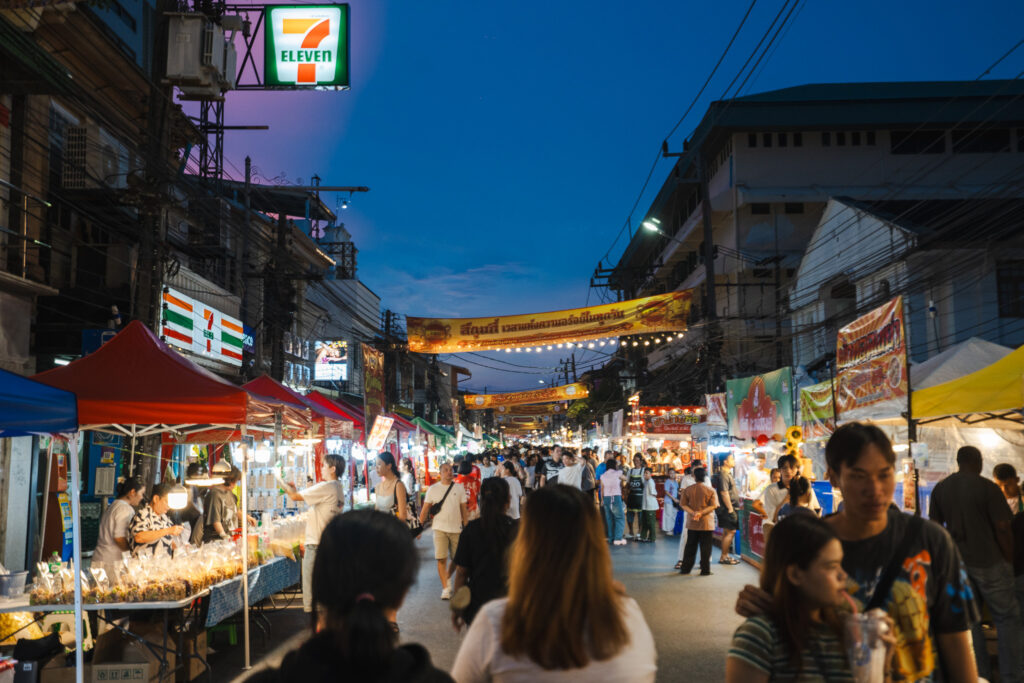
Put Jaw Shrine is therefore more than a historic Chinese shrine. It is a quiet reminder that compassion, faith, and cultural memory can continue to live naturally within a modern city.