Taxidermy, Natural History & Collectible Objects at VELA Phuket Old Town
Step into KALADAM, located on Level 1 of VELA Phuket Old Town, and discover a different way of looking at the natural world.
To some, taxidermy may raise questions.
Is it ethical? Is it legal? Where did the animal come from? And why would anyone want to keep a preserved animal in their home?
These are important questions — and they deserve thoughtful answers.
At KALADAM, we believe that every specimen should begin with understanding: its species, its origin, its history, and the regulations that govern its ownership and movement.
What Is Taxidermy?
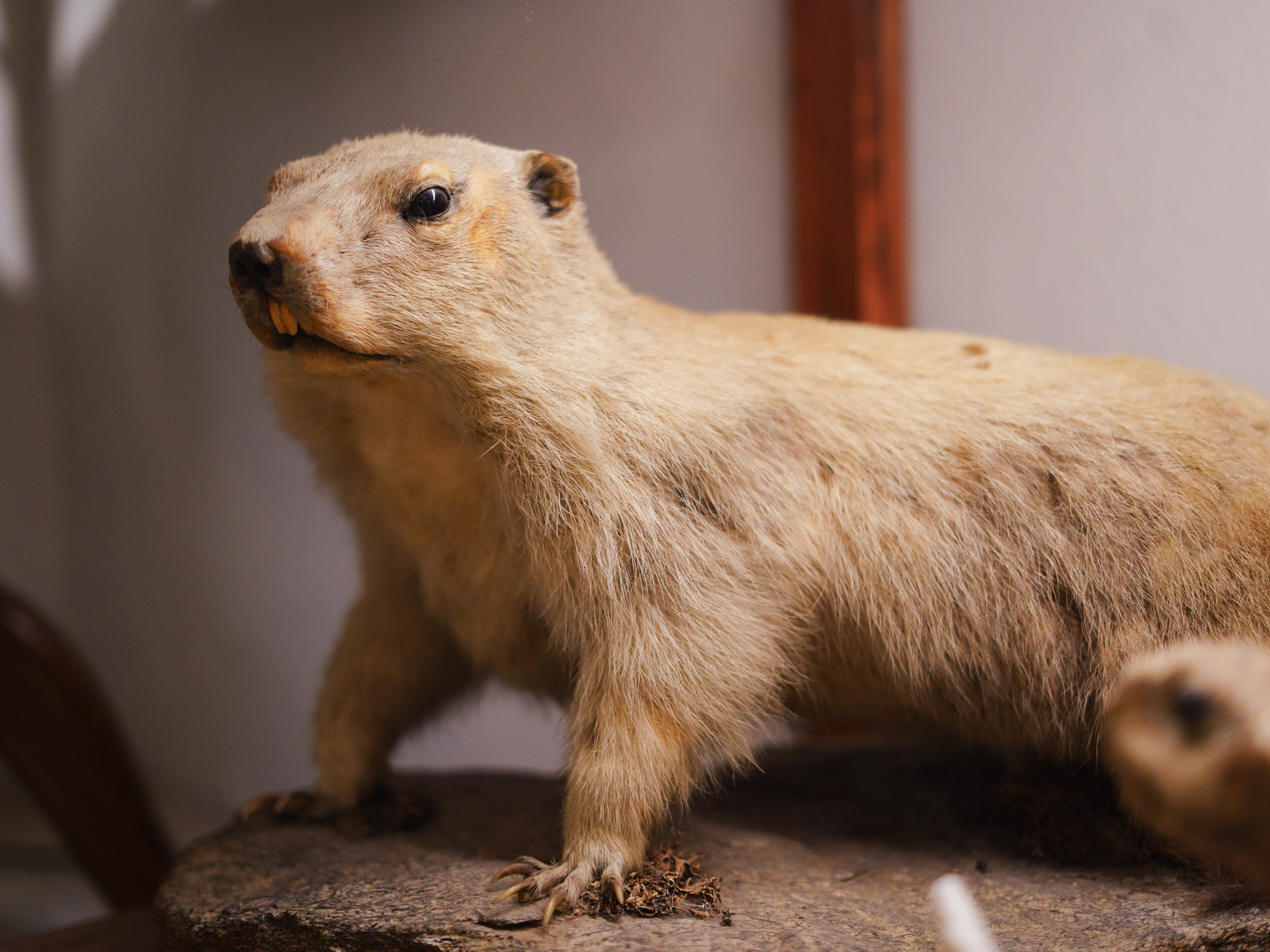
Taxidermy is the practice of preserving and artistically reconstructing the appearance of an animal after death.
It is more than simply preserving an animal.
A skilled taxidermist studies anatomy, posture, proportion, fur, feathers, skin and natural characteristics before carefully reconstructing the specimen.
The result is an object that exists somewhere between natural history, craftsmanship and art.
Rather than recreating life, taxidermy preserves an impression of it.
A moment that would otherwise disappear becomes something that can be observed for years.
Is Taxidermy Legal?
The answer is: it depends on the species, origin, documentation and applicable laws.
Not every animal can legally be possessed, sold or transported.
Some species are protected under national wildlife legislation, while others may be regulated internationally through CITES — the Convention on International Trade in Endangered Species of Wild Fauna and Flora.
International movement of wildlife specimens can therefore require specific permits, certificates or other documentation. CITES guidance also makes clear that taxidermy specimens can fall within CITES controls when they contain material from listed species.
For this reason, responsible collecting begins with documentation.
At KALADAM, we encourage collectors to ask questions about provenance and applicable regulations before purchasing or transporting any specimen.
A beautiful object should also have a responsible story behind it.
Is It Ethical?
Ethics in taxidermy begins with where the specimen came from.
There is an important difference between a specimen that has been legally and responsibly sourced and one obtained through illegal wildlife trade.
KALADAM’s approach is centred on responsible collecting, provenance and compliance with applicable regulations.
We do not believe that appreciation for nature should come at the expense of nature.
Instead, we see preserved specimens as objects that can encourage curiosity about biodiversity, anatomy, natural history and the extraordinary variety of life on Earth.
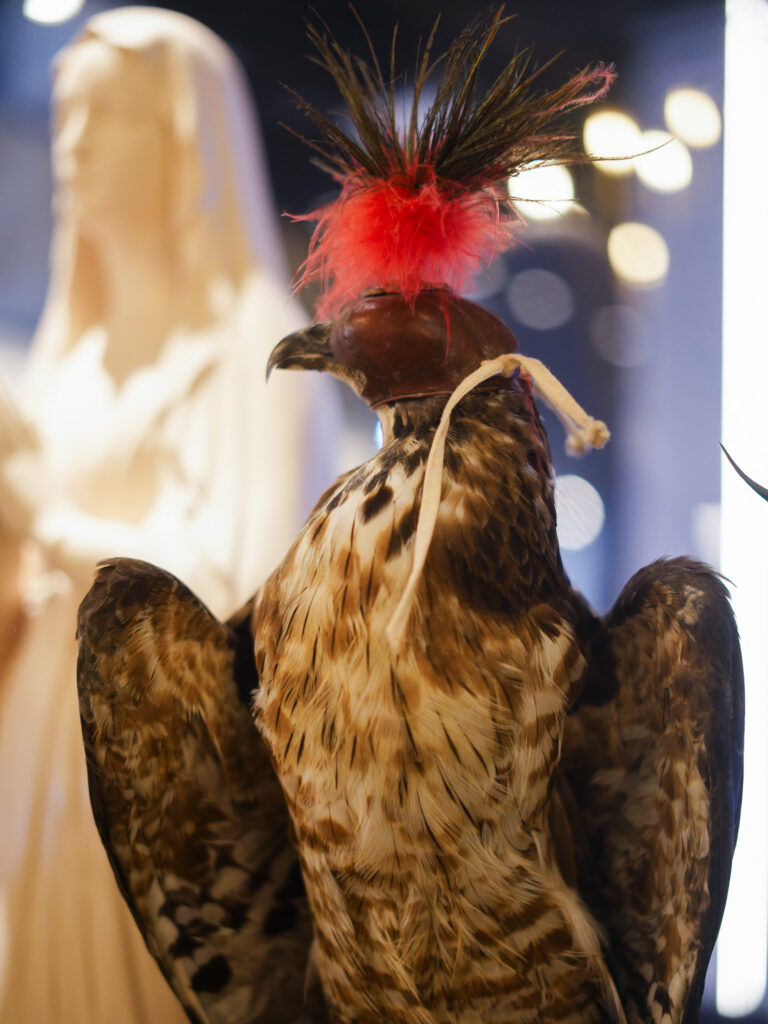
Beauty, Preserved in Time
There is another way to understand taxidermy.
Nature is constantly changing.
An animal moves through a landscape, ages, disappears and eventually becomes part of natural history.
Taxidermy creates an unusual relationship with time.
Science and craftsmanship work together to preserve a physical moment.
The texture of feathers.
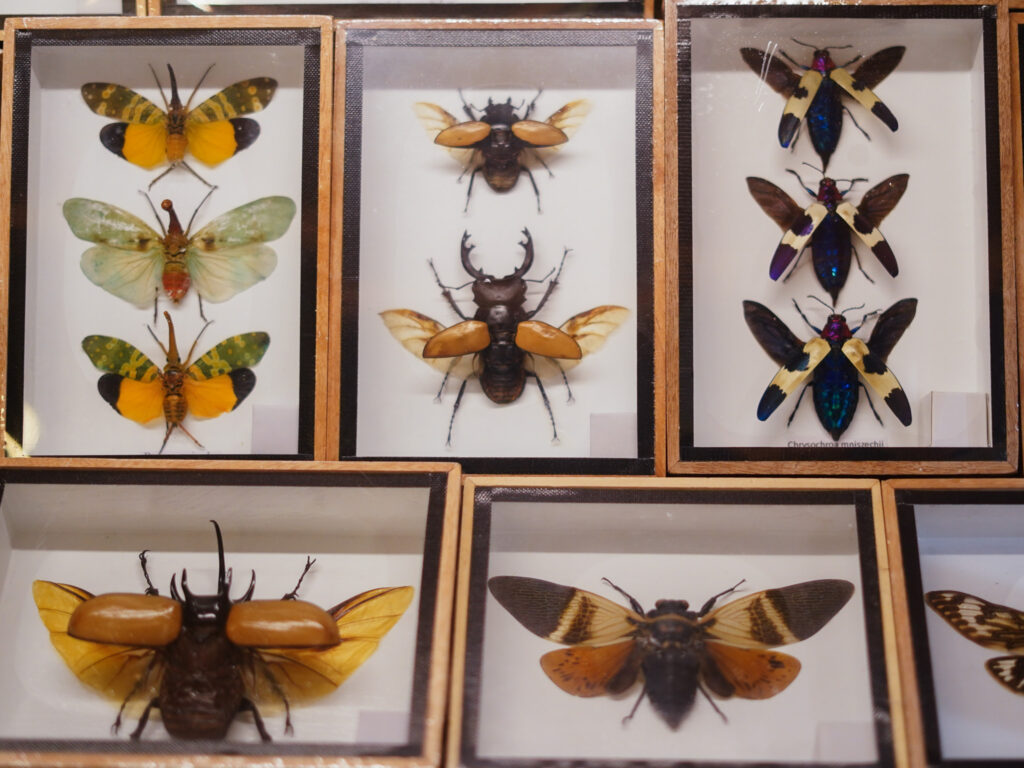
The structure of a wing.
The geometry of antlers.
The extraordinary detail of an animal’s anatomy.
What was once temporary becomes observable.
In this sense, a specimen can be viewed almost like a three-dimensional natural history photograph — not alive, but preserving a physical record of something that once existed.
Natural History as Interior Art
For collectors and design enthusiasts, taxidermy can become part of an interior in a way that traditional decoration cannot.
A carefully selected specimen can introduce:
- Natural texture
- Sculptural form
- Historical character
- A sense of curiosity
- Conversation and storytelling
- A connection to the natural world
Whether placed in a private residence, study, library, creative studio, hospitality space or collector’s room, a specimen can become more than decoration.
It becomes an object with a story.
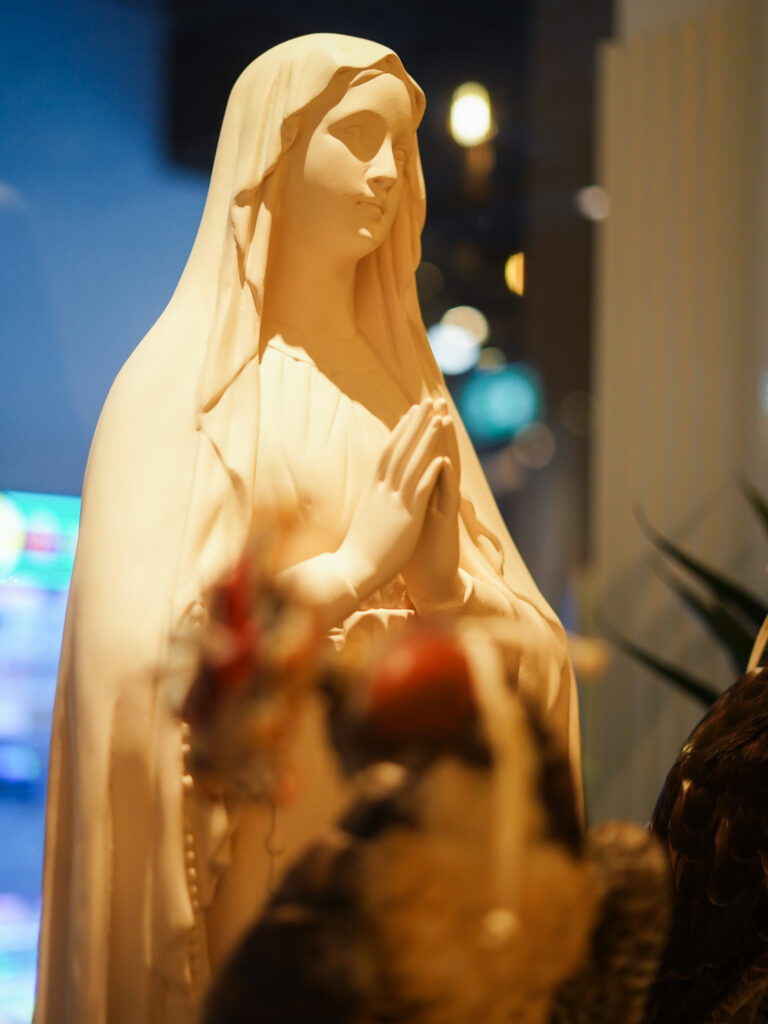
For Collectors & Curious Minds
KALADAM welcomes both experienced collectors and people encountering taxidermy for the first time.
You do not need to be an expert to appreciate natural history.
We encourage visitors to ask:
What species is this?
Where did it come from?
How was it preserved?
Is it legally documented?
Can it be transported to my country?
These questions are part of responsible collecting.
For selected specimens, documentation and international transport requirements may vary according to species and destination. KALADAM can assist customers in understanding the relevant requirements and arranging shipping where legally permitted.
Worldwide Shipping
Looking for a distinctive natural-history object for your home, collection or interior project?
KALADAM offers international shipping for eligible specimens, subject to applicable export, import, wildlife and CITES requirements.
Because regulations differ between countries and species, international orders are reviewed individually before shipment.
Worldwide delivery may be available for eligible specimens.
Our team can help coordinate the appropriate documentation and shipping process where required.
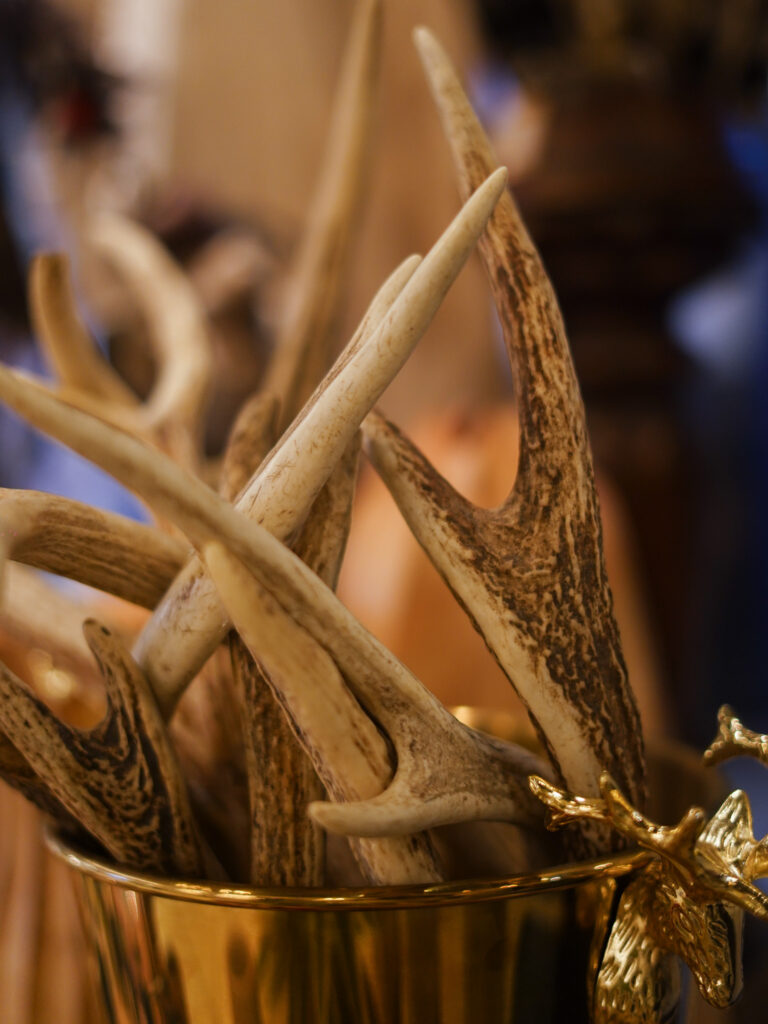
A Different Way to Collect
Collecting is not simply about owning something rare. It is about understanding why the object matters.
At KALADAM, we believe the most meaningful collections are those that combine beauty, knowledge, craftsmanship and responsibility.
Visit us at KALADAM, Level 1, VELA Phuket Old Town and take a closer look at the natural world — preserved, studied and transformed into objects that can live with us long after their original moment has passed.